Beyond the jargon: five ideas shaping the future of responsible business

Heart of the City | 19 August 2026 | News
Beyond the jargon: five ideas shaping the future of responsible business

On 14 August 2026, the UK Government issued its first-ever national emergency alert, warning millions of a heightened wildfire threat. Sweltering through its fifth summer heatwave, the UK is no longer immune to extreme heat, which continues to disrupt travel, overheat homes, drive up food costs and strain emergency services.

It’s sometimes difficult to know how you can make a positive difference – which is where Heart of the City steps in. We work with small businesses to take climate action and operate responsibly for both our planet and society.
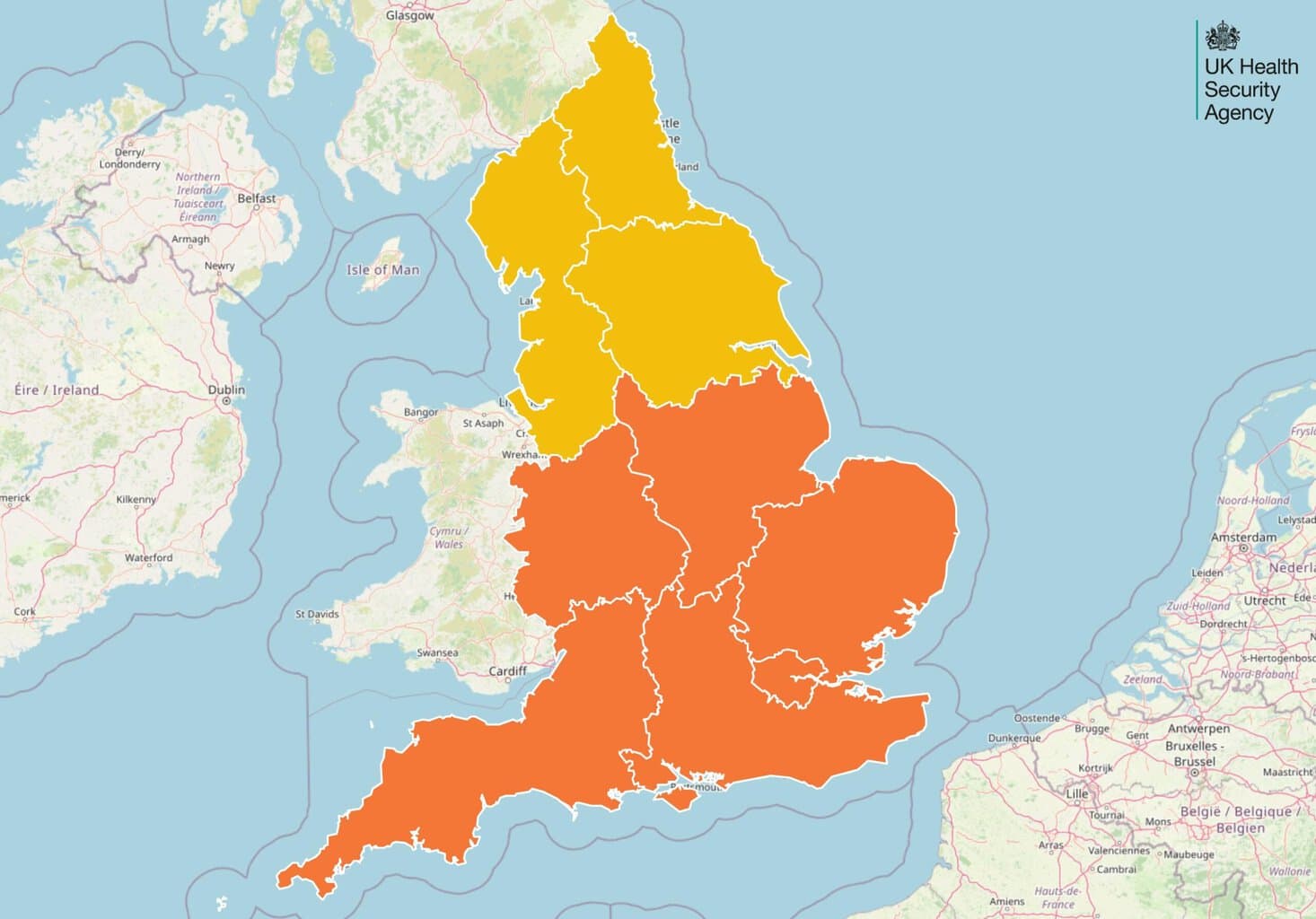
Heat-health alerts across England on 14 August 2026. Image: UKHSA. Licensed under the Open Government Licence v3.0.

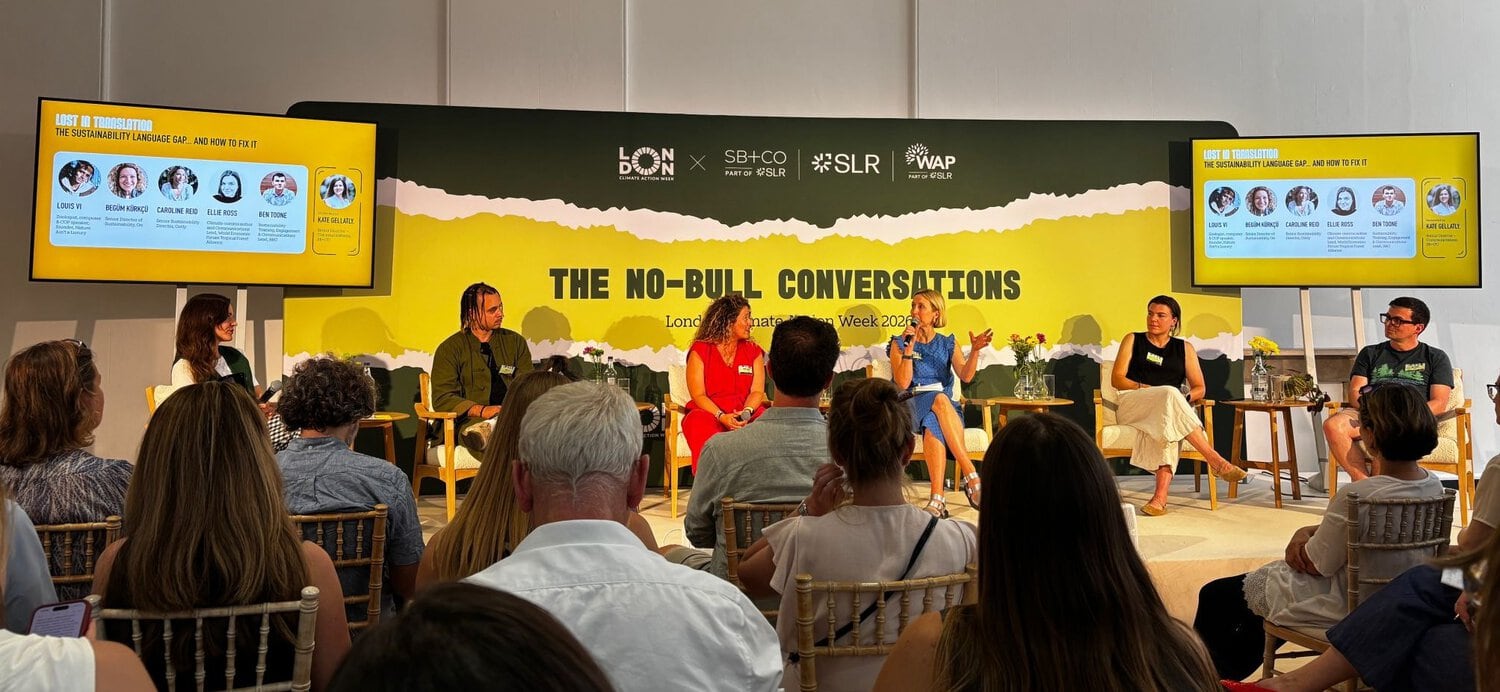
Earlier this summer, London Climate Action Week brought people together to share ideas on how to prepare, respond and communicate the climate crisis. Topics ranged from energy, AI, ESG reporting, climate communications and nature-based solutions. Despite their variety, many of the conversations pointed to the same conclusion:

Responsible business is moving from something businesses feel they need to “do” to something that can shape how they make decisions and prepare for the future.

To help SMEs navigate and advance their responsible business journeys, we’re sharing our five takeaways from London Climate Action Week.

Most business owners aren’t looking for sustainability. They’re looking for solutions.

Terms like ESG, net zero and even sustainability can mean different things to different people. For many SME leaders, they’re simply not the language of everyday business.

Instead, they’re focused on priorities such as:

  • Keeping costs under control
  • Winning and retaining customers
  • Attracting and retaining talent
  • Managing risk

Responsible business becomes more relevant when it’s connected to these challenges. Energy efficiency can reduce costs. Strong people practices can help attract talent. Responsible procurement can strengthen supply chains.

So, rather than asking “How can we become more sustainable?”, a more useful question might be:

“What matters most to our business, and where could responsible business help us do it better?”

That shift can turn responsible business from an obligation into an opportunity.

Data only matters if it helps you decide what to do next

One workshop explored how organisations are using ESG data and reporting. The takeaway was refreshingly simple:

Collecting data isn’t the goal. Using it is.

For SMEs, that means starting with what you already know, identifying the issues that matter most and using that information to focus your efforts.

You don’t need a perfect dataset or complex reporting framework. Good measurement should help you understand your biggest opportunities and risks, and help you make better decisions as a result.

Resilience is becoming the real business conversation

Across sessions on energy security, nature and climate risk, another idea kept emerging: responsible business is increasingly about resilience, not just compliance.

Volatile energy prices, supply chain disruption, extreme weather and changing customer expectations can all affect business performance. For SMEs, the question is becoming less about whether these issues matter and more about how prepared they are to respond.

Future-ready businesses are looking beyond today’s challenges and asking what they’ll need to thrive tomorrow.

Facts matter. But stories drive action.

Several speakers challenged the idea that communicating more facts automatically leads to more action.

People can engage with complex issues, but engagement usually starts with relevance. Stories, examples, creativity and humour can often achieve what statistics alone cannot. As one speaker put it, “climate science needs to be handed over to storytellers”.

For businesses, that’s an important reminder: communication isn’t just about reporting what you’ve done. It’s about helping employees, customers and stakeholders understand why it matters.

Progress beats perfection

Perhaps the most encouraging message from the week was also the simplest: you don’t need all the answers before you begin.

Becoming a more responsible business is rarely a linear journey. Businesses will try things that work, learn from things that don’t and discover new priorities along the way. The important thing is to keep moving: take a first step, learn from it and build from there.

Responsible business isn’t a destination. It’s a process.


Looking ahead

One message stood out across all the sessions we attended: responsible business doesn’t need to start with a complex framework. It starts with understanding your business and knowing where you can make a difference.

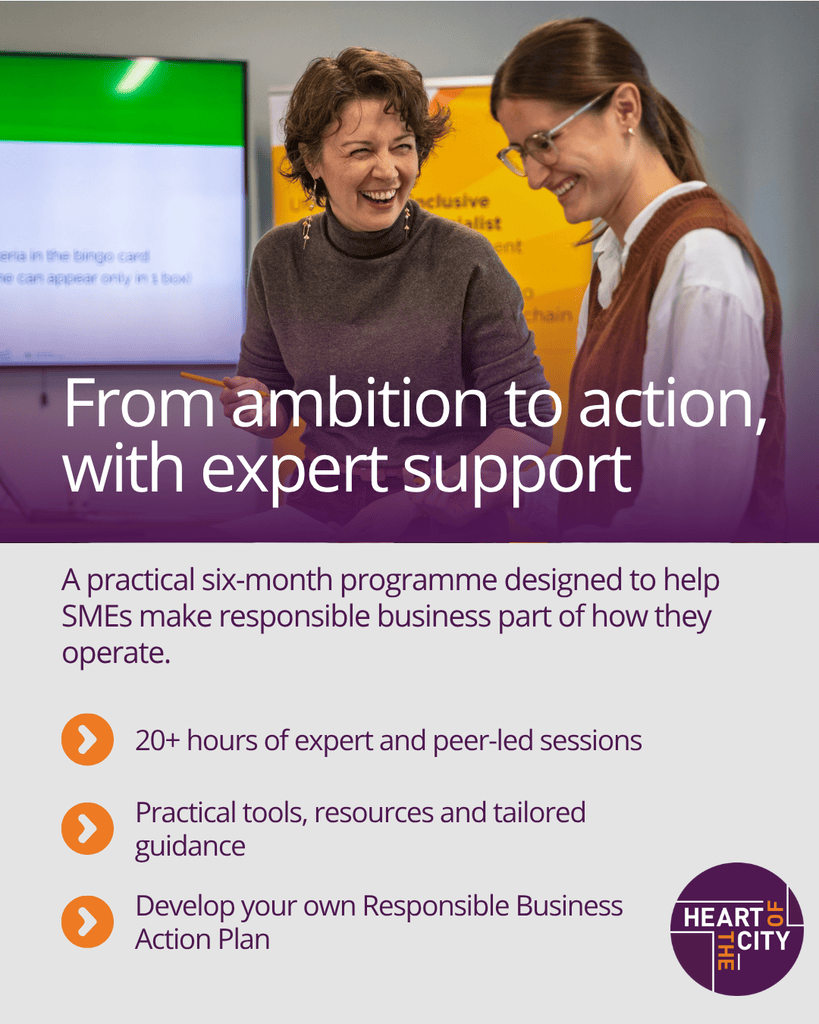
That’s exactly what our new Responsible Business Essentials programme is designed to support. Currently open for applications, with the first cohort commencing in November 2026, the six-month programme gives SMEs the guidance, tools and peer support to build a more responsible, resilient and future-ready business.

Because responsible business isn’t about having all the answers. It’s about knowing where to start.

Get monthly updates

divider